Week 7 Game Discussion Thread

- By Thump
- College Football
- 1 Replies
Nebraska loses!
You heard it here first!
You heard it here first!
Upvote
0

Follow along with the video below to see how to install our site as a web app on your home screen.

Note: This feature currently requires accessing the site using the built-in Safari browser.


I know that Chris Childers was saying early last year that Arch just wasn't that good, and then he completely went silent about it, as if the suits had a talk with him.The thought has absolutely crossed my mind. Some sort of scheme to keep the name/brand clean is genuinely the only explanation that makes sense.
These guys are idiots, and their conventional idiocy is one thing, but this? There's zero chance any majority of these talking heads ACTUALLY believe what they're saying about Arch. Zero.


I think mostly the divisional thing. I don’t have much love for the White Sox, but I hate the Cubs more if we’re talking Chicago. Yankees, Red Sox and Tigers are higher up my hate list as far as the American League goes.I'm not a huge baseball fan. I've always rooted for Indians / Guardians, but I might have watched 50 innings all season long, before the playoffs.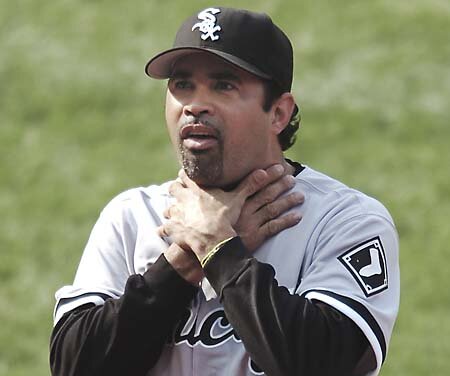
ALDS - Game 5 - Deciding Game - Sat 10/10 - 7PM Ct
www.soxtalk.com
Other than "they're in our division", why would White Sox fans hate Cleveland?
View attachment 96235
I mean, I don't feel bad about it. Hate Cleveland all you want. But I'm just curious if there's some back-story to this. Did Cleveland steal their prize donkey, or something?
Edit - laughing emoji.
View attachment 96236


Little high and to the lefthad to fill in at long snapper this week and held the snap for the GW 57 yard field goal

Just now catching up. Wow this 4 is good. Someone make sure he gets some touches.14-10
EDIT: Make that 20-10 before PAT. 4 scored. Not sure who he is, but loolks like he might turn into a decent player.

 www.cbssports.com


His issue is that he chooses to do dumb shit almost all the time. For some reason, he chose to not do that against us. It's not like other teams make him do dumb shit and we didn't do those things to make him do dumb shit. He just chooses to, and he forgot to for a quarter.Still cant believe we let Archie Boy direct 3 4th quarter touchdown drives. Shoot me
No need. 2024 still burns bright.Let this be a warning to the Bucks. Michigan may limp into Ohio Stadium, but they could polish their turd of a season with a win.

No need for that. I wish coaches would take more responsibility. He should be suspended for 1 game.
I wonder if the Cardinals are slow-playing this, hoping other teams come in with a bigger offer?

Played DE?


Yay!I'm going with Iowa, but I really think Nebraska might get it.


