• New here? Register here now for access to all the forums, download game torrents, private messages, polls, Sportsbook, etc. Plus, stay connected and follow BP on Instagram @buckeyeplanet and Facebook.

Name, Image, & Likeness (NIL) at tOSU

As I mentioned in another thread, I've been away from this board for a couple months. As such, I wasn't sure where the discussion of the House Settlement was taking place here. A search right now showed me that this was the correct thread for that discussion. So first off, I apologize for messing up the other threads with this information.

Because I had some previous work experience with antitrust law and lawyers, I was confused by the sports media's reporting on the House Settlement. That resulted in me engaging into a relatively deep dive into the legal aspects of the House Settlement. As I mentioned in the other thread, I think that the OSU decision to play strictly by the rules of the House Settlement is being made above Bjork and Day. (I.e. The Board and Ted Carter) They are making this decision to retain unique nature of the college sports experience (which is what we love about the sport) and by doing so allowing it to retain it's value. After all how much will the TV networks be willing to pay if college football is perceived only as minor league for the NFL. (How many AAA baseball games are televised nationally.)

Is it the right decision? I don't know and it certainly a risk. However, there are legal reasons to believe that is a risk that will pay off.

The problem is that certain schools, including not surprisingly TCUN, has decided to try to push beyond the House Settlement limits.
 
Upvote 0
As I mentioned in another thread, I've been away from this board for a couple months. As such, I wasn't sure where the discussion of the House Settlement was taking place here. A search right now showed me that this was the correct thread for that discussion. So first off, I apologize for messing up the other threads with this information.

Because I had some previous work experience with antitrust law and lawyers, I was confused by the sports media's reporting on the House Settlement. That resulted in me engaging into a relatively deep dive into the legal aspects of the House Settlement. As I mentioned in the other thread, I think that the OSU decision to play strictly by the rules of the House Settlement is being made above Bjork and Day. (I.e. The Board and Ted Carter) They are making this decision to retain unique nature of the college sports experience (which is what we love about the sport) and by doing so allowing it to retain it's value. After all how much will the TV networks be willing to pay if college football is perceived only as minor league for the NFL. (How many AAA baseball games are televised nationally.)

Is it the right decision? I don't know and it certainly a risk. However, there are legal reasons to believe that is a risk that will pay off.

The problem is that certain schools, including not surprisingly TCUN, has decided to try to push beyond the House Settlement limits.
Appreciate the insight. I find it funny that so many fans were so willing to throw Bjork under the bus(and still are) because they need a boogeyman to blame. I think many of us are waiting for the other shoe to drop when it comes to the settlement because it seems like the "wild west" of NIL won't ever stop, and how high will bidding go, when they are a handful of programs who are willing to spend without a care just for bragging rights.

Btw you didn't mess up any threads, you actually had pertinent information regarding a recruit who essentially won by a big NIL deal
 
Upvote 0

New NIL rules might prove Ross Bjork right, much to the chagrin of Ohio State fans

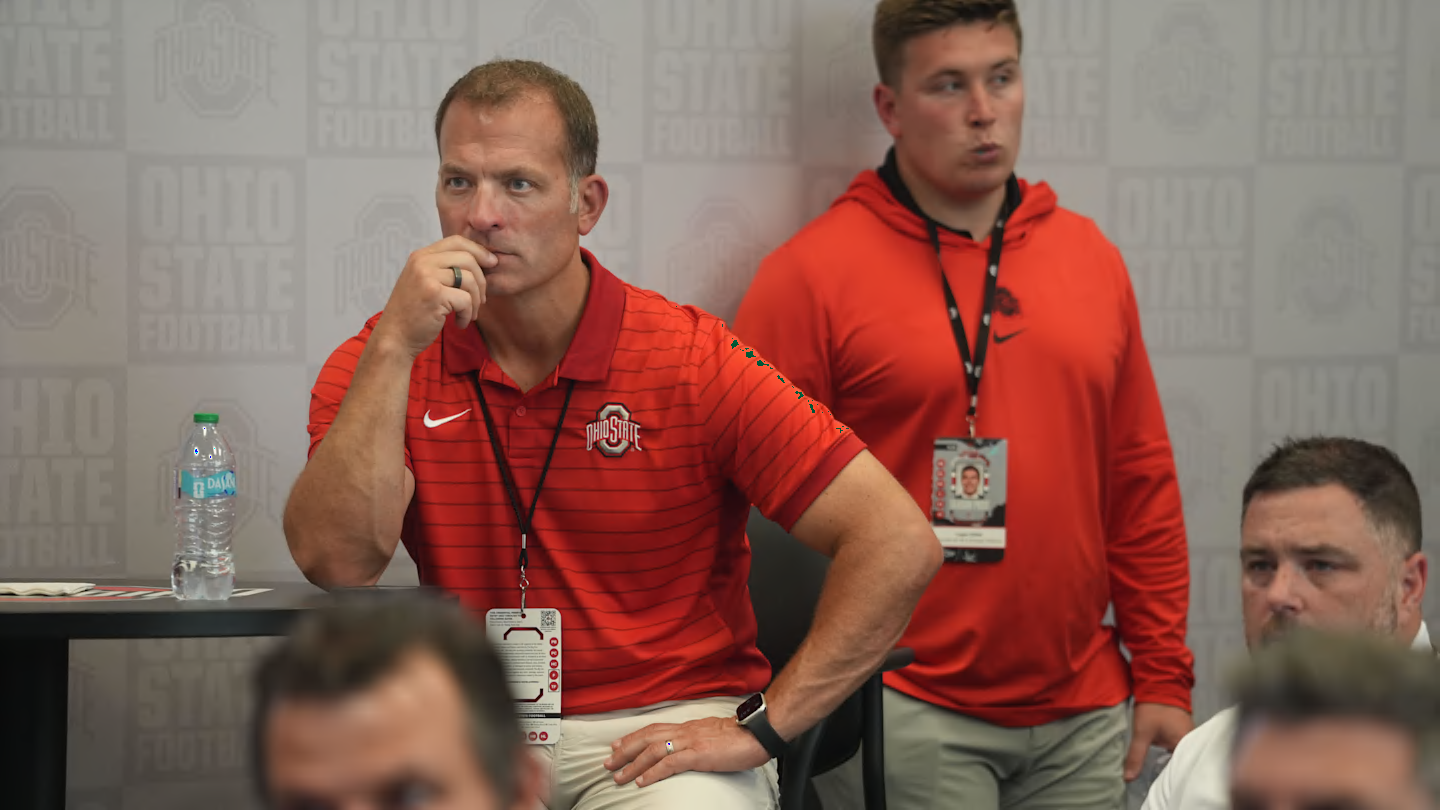
Right now, it looks like Ross Bjork's approach to NIL might have been the right one.

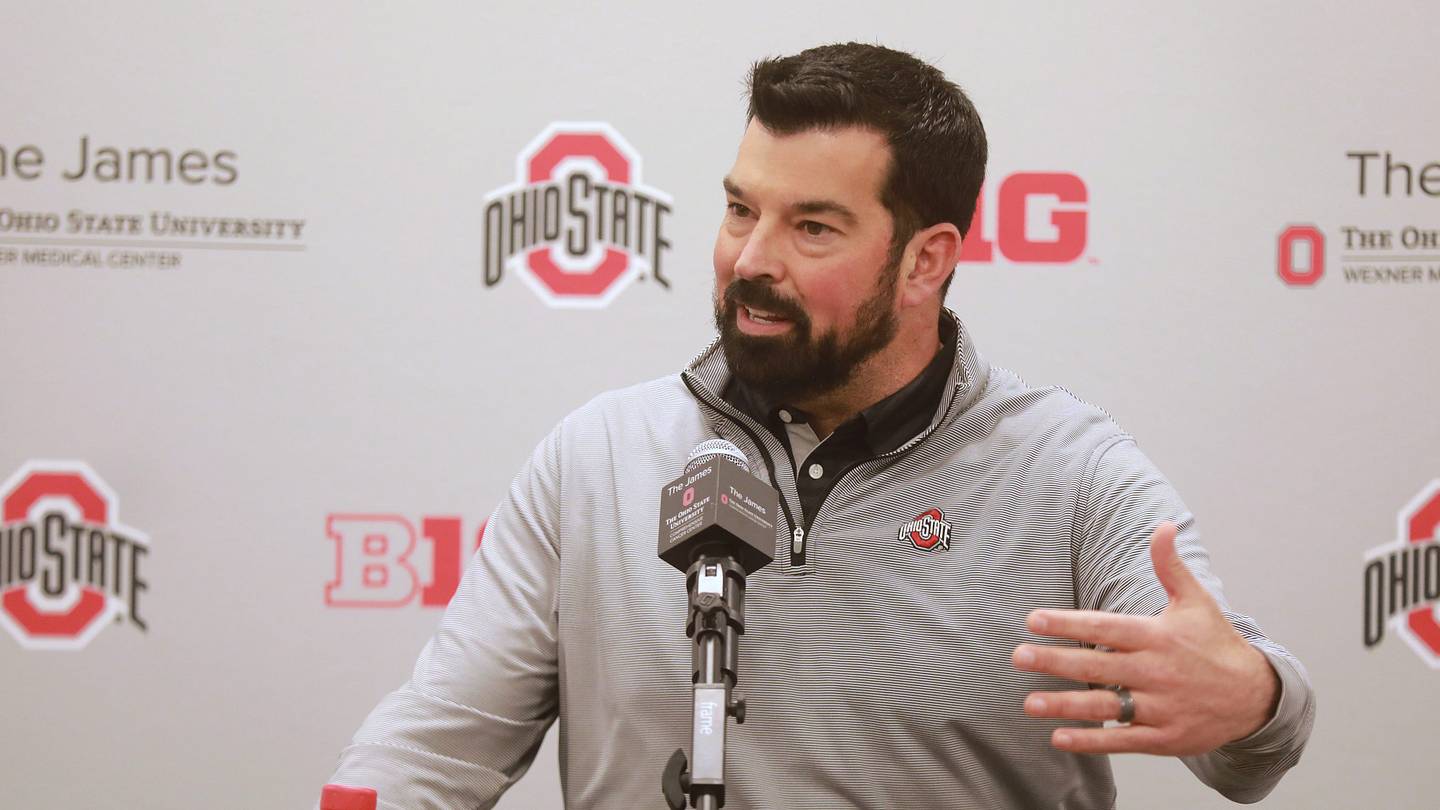
images%2FImagnImages%2Fmmsport%2F151%2F01k6k2221mwrrhmp1r7w.jpg


The Ohio State football program has taken a very cautious approach to how they are using NIL. After the House Settlement, Ross Bjork decided that he wasn't going to use any third-party collectives to help facilitate NIL deals, despite other teams doing that.

This approach has led the Buckeyes to miss out on several high-level recruits to this point. A lot of those kids have decided to commit to programs that have offered them more money than the Ohio State Buckeyes did. Now, things look much better for the Buckeyes.

New NIL rules have come down that seem to have proven Bjork correct. Now, a lot of those recruits likely won't have their NIL deals approved, meaning that they could reopen their recruitment. That's when Ryan Day and the Buckeyes could swoop in and snag them.

New NIL rules might be beneficial for the Ohio State football program

According to Dan Murphy of ESPN, programs can no longer guarantee an NIL deal from third-party collectives. All deals must involve a "direct activation" as well.


It seems that the College Sports Commission is trying to keep spending in check. NIL GO, the CSC's NIL authority, has been slow to approve deals. So much so that NIL collectives have started paying anyway, according to a story from Front Office Sports.

Bjork might eventually be vindicated for his wait-and-see approach to handling NIL money, but it's still too early to tell. The greatest question lingering over everything is how this will be enforced. If there are no punishments doled out for violating the new rules, then what's the point?
.
.
.
continued
 
Upvote 0

New NIL rules might prove Ross Bjork right, much to the chagrin of Ohio State fans

Right now, it looks like Ross Bjork's approach to NIL might have been the right one.

images%2FImagnImages%2Fmmsport%2F151%2F01k6k2221mwrrhmp1r7w.jpg


The Ohio State football program has taken a very cautious approach to how they are using NIL. After the House Settlement, Ross Bjork decided that he wasn't going to use any third-party collectives to help facilitate NIL deals, despite other teams doing that.

This approach has led the Buckeyes to miss out on several high-level recruits to this point. A lot of those kids have decided to commit to programs that have offered them more money than the Ohio State Buckeyes did. Now, things look much better for the Buckeyes.

New NIL rules have come down that seem to have proven Bjork correct. Now, a lot of those recruits likely won't have their NIL deals approved, meaning that they could reopen their recruitment. That's when Ryan Day and the Buckeyes could swoop in and snag them.

New NIL rules might be beneficial for the Ohio State football program

According to Dan Murphy of ESPN, programs can no longer guarantee an NIL deal from third-party collectives. All deals must involve a "direct activation" as well.


It seems that the College Sports Commission is trying to keep spending in check. NIL GO, the CSC's NIL authority, has been slow to approve deals. So much so that NIL collectives have started paying anyway, according to a story from Front Office Sports.

Bjork might eventually be vindicated for his wait-and-see approach to handling NIL money, but it's still too early to tell. The greatest question lingering over everything is how this will be enforced. If there are no punishments doled out for violating the new rules, then what's the point?
.
.
.
continued

How is this going to be enforced
 
Upvote 0
Just a really interesting article (however, I wonder just how factual it really is):

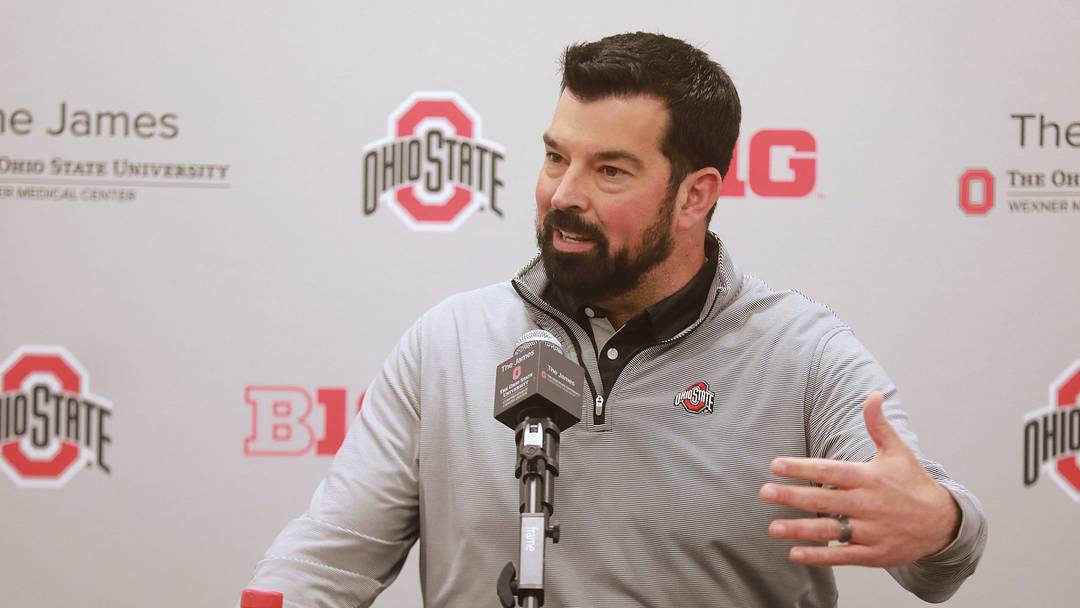
images%2FImagnImages%2Fmmsport%2F151%2F01krxt2daz22zf5j678t.jpg


The Ohio State Buckeyes are among the financially well-endowed teams that the College Sports Commission is trying to limit NIL spending for. While explaining the looming potential split between the SEC and Big Ten from the federal government's new enforcement arm, Yahoo Sports' Ross Dellenger mentioned Ohio State alongside the Oregon Ducks, USC Trojans, and TTUN as teams that could be the most affected.

These programs, plus various SEC juggernauts, the Notre Dame Fighting Irish, the Texas Tech Red Raiders, the Miami Hurricanes, and others, have money that doesn't come from institutional rev-share pools but instead from third-party NIL deals that secure millions for top recruits.

"As the NCAA’s seven-year congressional lobbying effort reaches its climax — a vote on legislation is scheduled for this week in the House with momentum building for a bipartisan bill in the Senate, too — college sports is on the brink of more revolutionary decisions," Dellenger prefaced before saying, "At the center of it all is the landmark, multi-billion dollar legal settlement of three antitrust cases (House) that, while moving the enterprise into the age of direct athlete compensation, has failed to deliver the stability that many leaders sought — and now it poses a risk to roster stability.

"The new enforcement entity’s scrutiny of third-party NIL deals from the biggest above-the-cap spenders — many of them here (Ohio State, Oregon, USC, Michigan, etc.) — threatens to cripple the league’s wealthy behemoths by putting at risk tens of millions of dollars they guaranteed to their players."

The Ohio State University and the sport's biggest brands have too much power for the sport to change from being NIL-driven

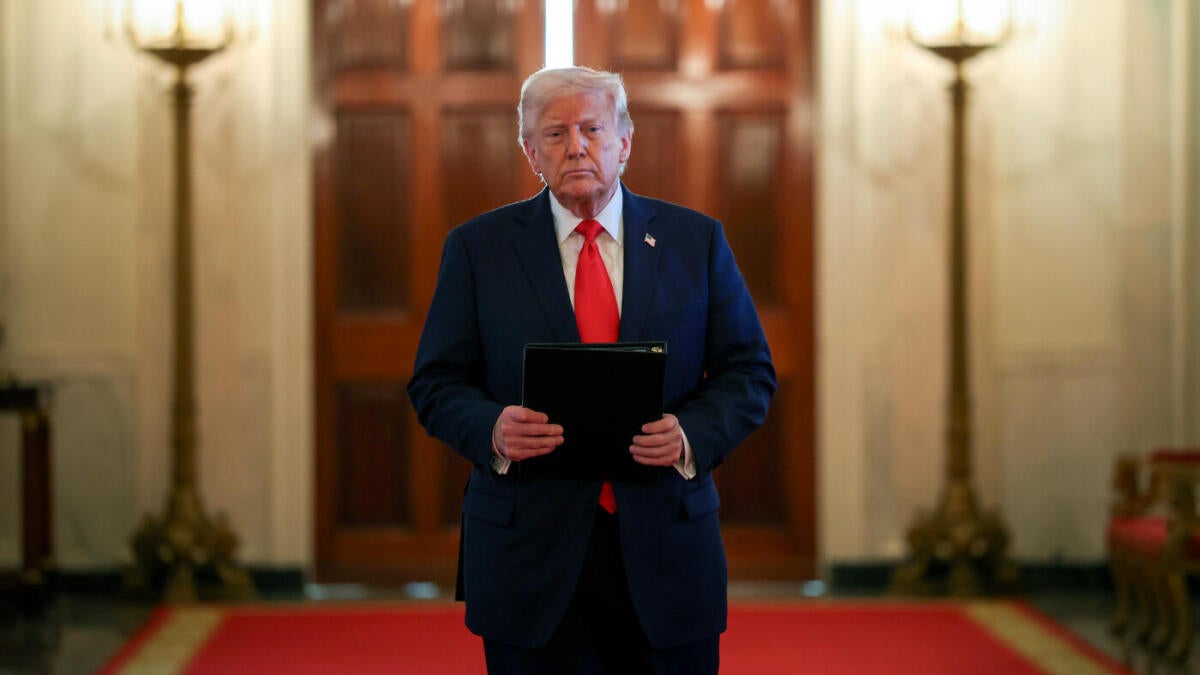
The current administration may have talked up a big game with NIL reform, but like many other aspects of its governance, it probably won't be able to deliver on nearly any proposed promise. That is probably a good thing for College Football, with collective record ratings and revenue soaring, but it's particularly good for schools like the Ohio State University. Not to mention the various millionaire high school kids and their families who are the product of college sports.

OSU has a shady, powerful network behind the scenes that will keep the school competing with the University of Texas year in and year out in revenue, and, ipso facto, recruiting spending. That doesn't appear to be threatened in any way, since the guy at the top, Les Wexner, is connected to the President through nefarious third parties.
.
.
.
continued

 
Upvote 0
Just a really interesting article (however, I wonder just how factual it really is):

images%2FImagnImages%2Fmmsport%2F151%2F01krxt2daz22zf5j678t.jpg


The Ohio State Buckeyes are among the financially well-endowed teams that the College Sports Commission is trying to limit NIL spending for. While explaining the looming potential split between the SEC and Big Ten from the federal government's new enforcement arm, Yahoo Sports' Ross Dellenger mentioned Ohio State alongside the Oregon Ducks, USC Trojans, and TTUN as teams that could be the most affected.

These programs, plus various SEC juggernauts, the Notre Dame Fighting Irish, the Texas Tech Red Raiders, the Miami Hurricanes, and others, have money that doesn't come from institutional rev-share pools but instead from third-party NIL deals that secure millions for top recruits.

"As the NCAA’s seven-year congressional lobbying effort reaches its climax — a vote on legislation is scheduled for this week in the House with momentum building for a bipartisan bill in the Senate, too — college sports is on the brink of more revolutionary decisions," Dellenger prefaced before saying, "At the center of it all is the landmark, multi-billion dollar legal settlement of three antitrust cases (House) that, while moving the enterprise into the age of direct athlete compensation, has failed to deliver the stability that many leaders sought — and now it poses a risk to roster stability.

"The new enforcement entity’s scrutiny of third-party NIL deals from the biggest above-the-cap spenders — many of them here (Ohio State, Oregon, USC, Michigan, etc.) — threatens to cripple the league’s wealthy behemoths by putting at risk tens of millions of dollars they guaranteed to their players."

The Ohio State University and the sport's biggest brands have too much power for the sport to change from being NIL-driven

The current administration may have talked up a big game with NIL reform, but like many other aspects of its governance, it probably won't be able to deliver on nearly any proposed promise. That is probably a good thing for College Football, with collective record ratings and revenue soaring, but it's particularly good for schools like the Ohio State University. Not to mention the various millionaire high school kids and their families who are the product of college sports.

OSU has a shady, powerful network behind the scenes that will keep the school competing with the University of Texas year in and year out in revenue, and, ipso facto, recruiting spending. That doesn't appear to be threatened in any way, since the guy at the top, Les Wexner, is connected to the President through nefarious third parties.
.
.
.
continued


Les Wexner is connected to a LOT of people through a LOT of nefarious third parties. Makes me sick that he's associated with this football team in any way, shape, or form. I have no idea the extent of it, but just any whiff makes me wanna gag.
 
Upvote 0
If an ai podcast could take written form, it would look like this, and still inexplicably get traction.
Just a really interesting article (however, I wonder just how factual it really is):

images%2FImagnImages%2Fmmsport%2F151%2F01krxt2daz22zf5j678t.jpg


The Ohio State Buckeyes are among the financially well-endowed teams that the College Sports Commission is trying to limit NIL spending for. While explaining the looming potential split between the SEC and Big Ten from the federal government's new enforcement arm, Yahoo Sports' Ross Dellenger mentioned Ohio State alongside the Oregon Ducks, USC Trojans, and TTUN as teams that could be the most affected.

These programs, plus various SEC juggernauts, the Notre Dame Fighting Irish, the Texas Tech Red Raiders, the Miami Hurricanes, and others, have money that doesn't come from institutional rev-share pools but instead from third-party NIL deals that secure millions for top recruits.

"As the NCAA’s seven-year congressional lobbying effort reaches its climax — a vote on legislation is scheduled for this week in the House with momentum building for a bipartisan bill in the Senate, too — college sports is on the brink of more revolutionary decisions," Dellenger prefaced before saying, "At the center of it all is the landmark, multi-billion dollar legal settlement of three antitrust cases (House) that, while moving the enterprise into the age of direct athlete compensation, has failed to deliver the stability that many leaders sought — and now it poses a risk to roster stability.

"The new enforcement entity’s scrutiny of third-party NIL deals from the biggest above-the-cap spenders — many of them here (Ohio State, Oregon, USC, Michigan, etc.) — threatens to cripple the league’s wealthy behemoths by putting at risk tens of millions of dollars they guaranteed to their players."

The Ohio State University and the sport's biggest brands have too much power for the sport to change from being NIL-driven

The current administration may have talked up a big game with NIL reform, but like many other aspects of its governance, it probably won't be able to deliver on nearly any proposed promise. That is probably a good thing for College Football, with collective record ratings and revenue soaring, but it's particularly good for schools like the Ohio State University. Not to mention the various millionaire high school kids and their families who are the product of college sports.

OSU has a shady, powerful network behind the scenes that will keep the school competing with the University of Texas year in and year out in revenue, and, ipso facto, recruiting spending. That doesn't appear to be threatened in any way, since the guy at the top, Les Wexner, is connected to the President through nefarious third parties.
.
.
.
continued

 
Upvote 0
Back
Top