
Install the app
How to install the app on iOS
Follow along with the video below to see how to install our site as a web app on your home screen.
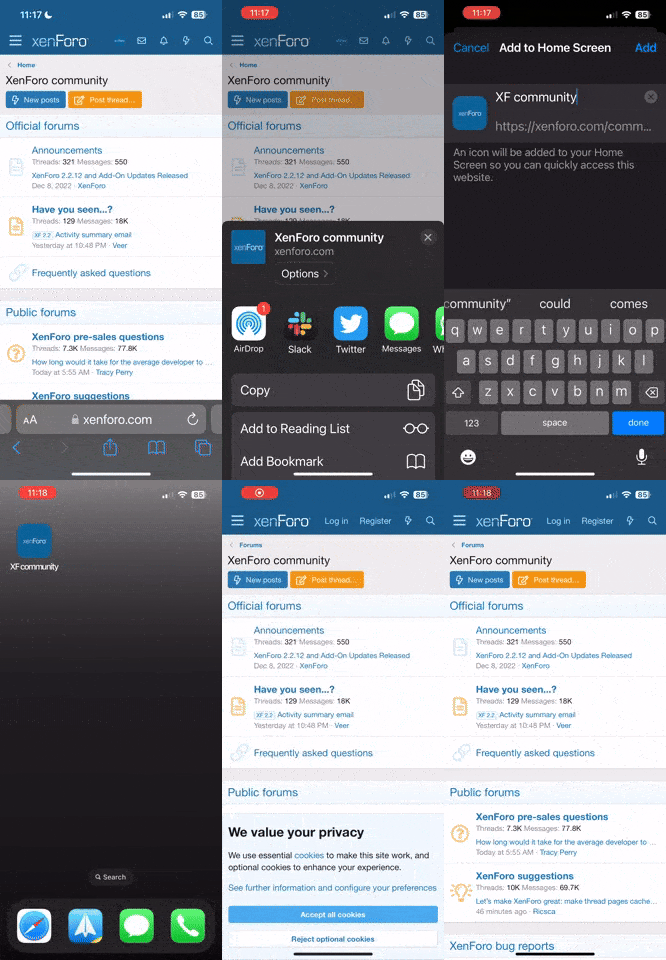
Note: This feature currently requires accessing the site using the built-in Safari browser.
-
New here? Register here now for access to all the forums, download game torrents, private messages, polls, Sportsbook, etc. Plus, stay connected and follow BP on Instagram @buckeyeplanet and Facebook.
You are using an out of date browser. It may not display this or other websites correctly.
You should upgrade or use an alternative browser.
You should upgrade or use an alternative browser.
Look Who's Transferring Now (The Portal)
- Thread starter ScriptOhio
- Start date






ScriptOhio
Everybody is somebody else's weirdo.
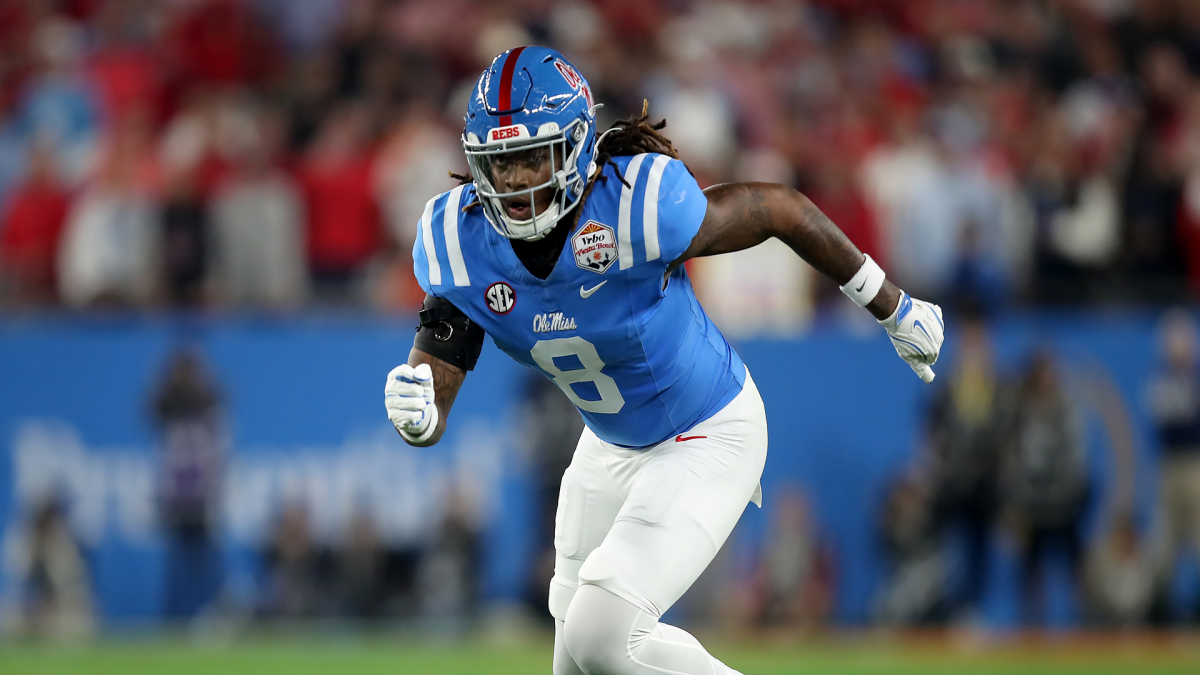
Ex-Ole Miss TE Dae'Quan Wright becomes first NFL player to enter transfer portal -- with more likely to follow
The undrafted rookie is looking to return to college football while currently a member of the Browns' roster
 www.cbssports.com
Ex-Ole Miss TE Dae'Quan Wright becomes first NFL player to enter transfer portal -- with more likely to follow
The undrafted rookie is looking to return to college football while currently a member of the Browns' roster

Cleveland Browns rookie and former Ole Miss tight end Dae'Quan Wright entered the transfer portal Thursday, becoming the first active NFL player to do so, sources told CBS Sports' Matt Zenitz. A member of the Browns' practice squad in training camp after going undrafted in April, Wright is one of 16 players -- with many more expected -- who plan to head back to college after a Louisiana judge granted a temporary restraining order centering around the NCAA's five-year eligibility clock.
Never before has an active NFL player formally entered the portal until now.
Wright caught 113 passes for 1,603 yards during stops at Virginia Tech and Ole Miss, including 1,029 yards across his final two seasons with the Rebels. He went undrafted after earning second-team All-SEC honors at Ole Miss, signed with Philadelphia and was later claimed by Cleveland. His NFL opportunity remains intact for the moment, but the portal provides leverage and a potentially lucrative alternative if he is released before the season.
The next phase of potential eligibility chaos stems from a Colorado court ruling earlier this summer. Previously, members of the 2022 recruiting class who returned to college football and took advantage of the extra year of eligibility granted by District Judge Charlotte Sweeney were those who didn't sign NFL contracts.
.
.
.
continued
Upvote
0


One thing I don't get. I players can only enter the portal during the Winter window, how are these guys doing it? Did they get a special exemption?
Upvote
0

They are using the recent ‘5 years to play 5 seasons’ rule, and there are federal and state lawsuits that have been filed.One thing I don't get. I players can only enter the portal during the Winter window, how are these guys doing it? Did they get a special exemption?
Yesterday’s ruling put a temporary stop to the federal appeals court ruling that gave some guys a 5th year.
It does NOT apply to the guys who used state courts in their appeals for a 5th year.
It‘s a mess.
Upvote
0

ScriptOhio
Everybody is somebody else's weirdo.
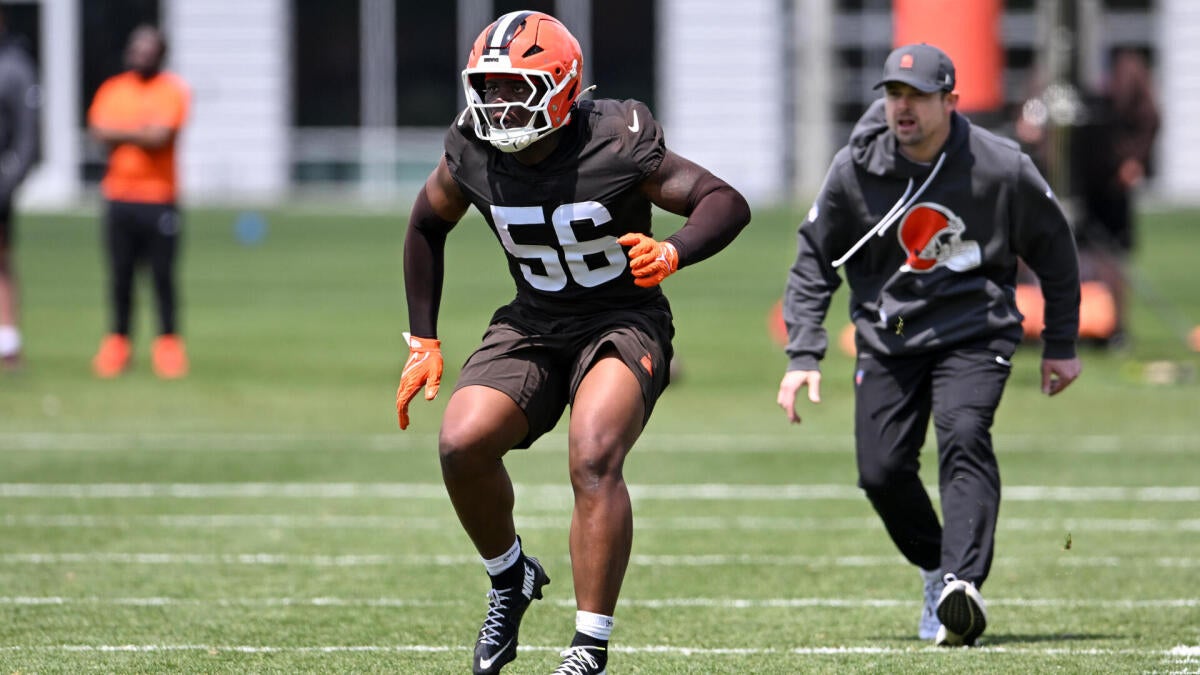
Trent Hendrick transfers to UCLA: Ex-James Madison star LB gets fifth year after going through Browns minicamp
Hendrick will be reunited with former Dukes coach Bob Chesney, now in his first season with the Bruins
www.cbssports.com
Trent Hendrick transfers to UCLA: Ex-James Madison star LB gets fifth year after going through Browns minicamp
Hendrick will be reunited with former Dukes coach Bob Chesney, now in his first season with the Bruins
Bob Chesney will get another reunion with one of his former James Madison standouts. Linebacker Trent Hendrick has committed to UCLA, according to Bruin247, giving the Bruins a veteran addition to the middle of their defense less than two weeks before the start of the 2026 season.Hendrick's return to college football comes after a Louisiana court granted him a temporary restraining order against the NCAA last week, allowing the veteran linebacker to receive an additional season of eligibility and enter the transfer portal outside the normal transfer window.
Hendrick, who participated in the Cleveland Browns' minicamp in May, exhausted his collegiate eligibility following the 2025 season but was among a group of players who challenged the NCAA's five-for-five eligibility rule. The court ruling opened the door for him to pursue another college opportunity, and he quickly became one of the most sought-after players available.
.
.
.
continued
Upvote
0



ScriptOhio
Everybody is somebody else's weirdo.
College football's backup quarterback talent drain
Ole Miss' coaching staff searched all over the country and could not find a No. 2 quarterback.In December 2024, the Rebels flew in Mikey Keene, Beau Pribula and Anthony Colandrea for visits. The sales pitch was clear: Bet on yourself. Come in and compete. Lane Kiffin will play the best guy. If you don't win the job, you'll get developed and get good tape in the blowout wins.
They all knew deep down, no matter how the staff tried to spin it, that Austin Simmons was going to be Ole Miss' starter. All three chose better offers elsewhere. Pribula and Colandrea landed starting opportunities at Missouri and UNLV, respectively, and Keene went to Michigan to try to beat out Bryce Underwood.
"Everyone was excited and said it wasn't about money -- until it was about money," one former Ole Miss staffer said.
The Rebels eventually found their guy four months later, a Division II transfer who looked like he was heading to Temple for $300,000 until the Rebels doubled the offer. Within three games, Trinidad Chambliss was QB1. And the rest is history.
Neat story, right? At pretty much every other major college football program, that's not really how it goes these days. Finding, signing and keeping a quality No. 2 quarterback has become one of the trickier aspects of this constantly evolving era of roster building.
Oklahoma, Texas A&M and others are struggling early on this season with experienced starters who have not played up to expectations. Brent Venables and Mike Elko are in tough spots and both decided against benching their QB1 last week. They must coax better production and confidence out of their guys because they don't have alternatives.
When a reporter asked Elko how challenging it is to recruit quarterback depth behind an established starter like Marcel Reed, the head coach didn't mince words.
"Oh, I think it's impossible," Elko said. "I don't think anybody anywhere is recruiting depth out of the portal. I don't think there are SEC-level players in the country that are trying to go places where you have an established starter. I don't think that's a real thing."
General managers and front office staffers surveyed by ESPN generally agreed with Elko's take. In the NFL, there's no shortage of veterans such as Case Keenum who can be called up at a moment's notice for heroic cameos. In college, if they're not starting, they're leaving.
Oregon getting a masterful performance out of Dylan Raiola off the bench at USC was remarkable to watch, but Raiola is one of the rare exceptions among his peers as a former two-year starter at Nebraska who was willing to take a pay cut and sit behind Dante Moore for a season. Very few programs have the luxury anymore of a backup they'd trust to go win a game.
"I think in this modern day of college football, where we're at right now, that's an outlier," Venables said.
While Venables considered benching John Mateer at halftime of the Sooners' 41-13 loss to No. 2 Georgia, it's no surprise he's sticking with him in preparations to face No. 1 Texas on Saturday.
Venables had a solid backup plan for the past two years in Michael Hawkins Jr., but he waited his turn long enough. Now he's starring at West Virginia in a run-heavy offense that plays to his strengths. Oklahoma didn't bring in a transfer to replace him and its top backups this season, junior Whitt Newbauer and freshman Bowe Bentley, have played a combined 35 snaps for the program.
When asked last week what makes it so hard for everyone but Oregon to have an established backup, Venables offered a simple reply: It's the money. Quarterbacks want to go where they can play more and earn more.
"Somebody willing to go somewhere and maybe not be the guy guaranteed right away, it's a little harder [to find] than you want it to be," Venables said.
The economics of this don't make it easy, and not just because most Power 4 starters are earning $2-3 million or more. A survey of Power 4 general managers this offseason found the average pay for a No. 2 quarterback this year is more than $550,000, sources told ESPN.
Utah's Byrd Ficklin is believed to be among the highest-paid backups in the country, sources familiar with the situation told ESPN, as coach Morgan Scalley and the Utes prioritized retaining both starter Devon Dampier and Ficklin entering 2026. A few major programs such as Alabama (Austin Mack) and Tennessee (George MacIntyre) had to pay to keep two QBs going into offseason competitions, while others are heavily invested in blue-chip freshmen.
The accelerated talent drain at the position certainly looms over all this decision making. The death of the one-time transfer rule in 2024 inevitably led to more QBs making moves early in their careers. The days of keeping a QB in your building until he becomes a grad transfer are long gone.
.
.
.
continued
Upvote
0